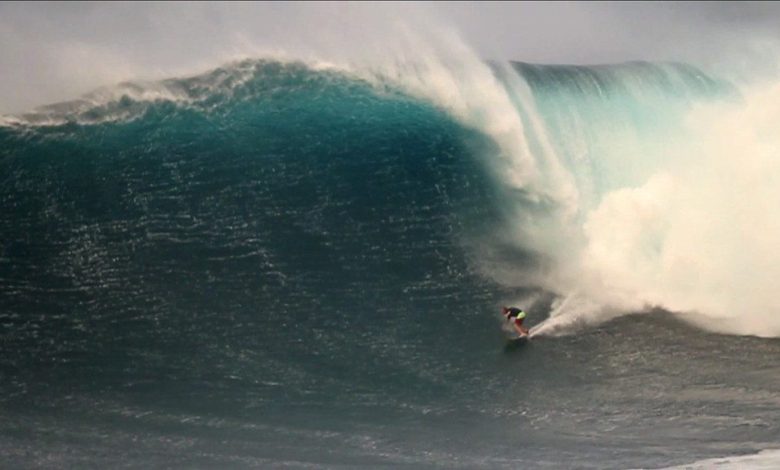
What are the biggest waves in the world? The allure of the ocean’s mightiest waves has captivated humanity for centuries. These aquatic behemoths are not just a testament to the raw power of nature but also represent a siren call to surfers and ocean enthusiasts alike. Understanding these waves—how they form, where they occur, and their impact—provides insight into a fascinating and formidable aspect of our planet’s ecosystem.
For surfers, the pursuit of riding the largest waves on Earth is akin to a mountaineer’s quest to conquer the highest peaks. Some waves rise to legendary status, such as those at Nazaré or Jaws, offering a combination of thrill and danger that only the most experienced dare to face. Meanwhile, the study of open ocean rogue waves and the feats of big wave surfers push the boundaries of marine science and human endeavor, revealing the incredible achievements possible when humans harness the energy of these vast oceanic movements.
- Ocean waves can reach gargantuan heights, fascinating and challenging those drawn to their power.
- Certain legendary locations around the world are renowned for consistently producing some of the biggest surfable waves.
- Advances in marine science and the accomplishments of surfers emphasize the spectacular nature and inherent risks of big waves.
Understanding the Power of Ocean Waves

Ocean waves are a testament to the immense energy that traverses our planet’s vast waters. They are created by the wind as it transfers its energy to the water. Recognizing the raw power of waves is essential for anyone intrigued by the ocean’s dynamics.
- Swell Formation: When wind blows across the ocean’s surface, it initiates ripples that grow into waves. Over distances, these waves organize into sets known as swells.
- Energy Transfer: The energy in waves is in constant flux, moving vast amounts of water across the globe. Unlike the water itself, the energy travels, bringing the swells to the coastlines, where their power becomes evident.
- Wave Dynamics: As swells approach shallower water near coastlines, their interaction with the sea floor compresses and amplifies their height. This energy transformation can create towering waves, with the biggest waves in the world reaching heights of over 550 feet in areas such as the South China Sea’s Luzon Strait.
The magnitude of these waves is influenced by factors such as wind strength, duration, and fetch—the distance over which the wind blows without interruption. The tallest waves tend to occur where these conditions merge with underwater topography such as deep trenches or coral reefs, which force the swell upward.
Understanding the dynamics of ocean waves isn’t just an academic endeavor; it holds practical importance for navigation, coastal communities, and even renewable energy initiatives. As the quest to harness this energy progresses, the potential of wave power as a renewable resource becomes more apparent, highlighting the need to respect and appreciate the ocean’s natural phenomena.
Legendary Big Wave Surfing Locations
Big wave surfing is an exhilarating sport that draws surfers seeking the ultimate challenge. This section traverses through the globe’s most revered surf spots that are synonymous with colossal waves and legendary surfing tales.
Nazaré, Portugal
In the quaint fishing village of Nazaré, Portugal, the Atlantic Ocean conjures some of the world’s biggest waves, with swells that have been known to soar past the 100-foot mark. The underwater Nazaré Canyon is the architect of these behemoths, providing a natural stage for surfers to set and break world records.

The Hawaiian Giants: Jaws and Pipeline
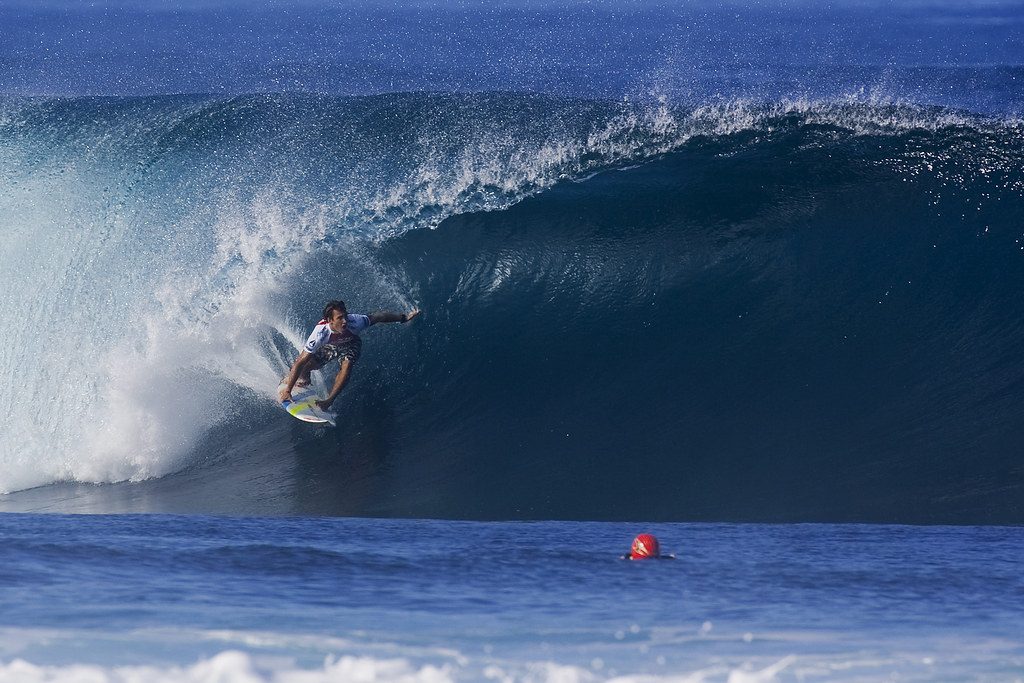
Hawaii is home to two of the planet’s most formidable surf breaks. Jaws, or Pe’ahi, located off the coast of Maui, astonishes with its massive, fast-moving waves that provide a stern test for the world’s most seasoned riders. On Oahu’s North Shore, the Banzai Pipeline is revered for its beautifully sculpted, yet perilously powerful tubes, a true rite of passage for any serious surfer.
Mavericks, California
Mavericks near Half Moon Bay in California is notorious for its titanic winter swells that surge with cold precision. The waves here can skyrocket up to 60 feet, demanding a combination of courage and skill from those who dare to challenge them.
Shipstern Bluff
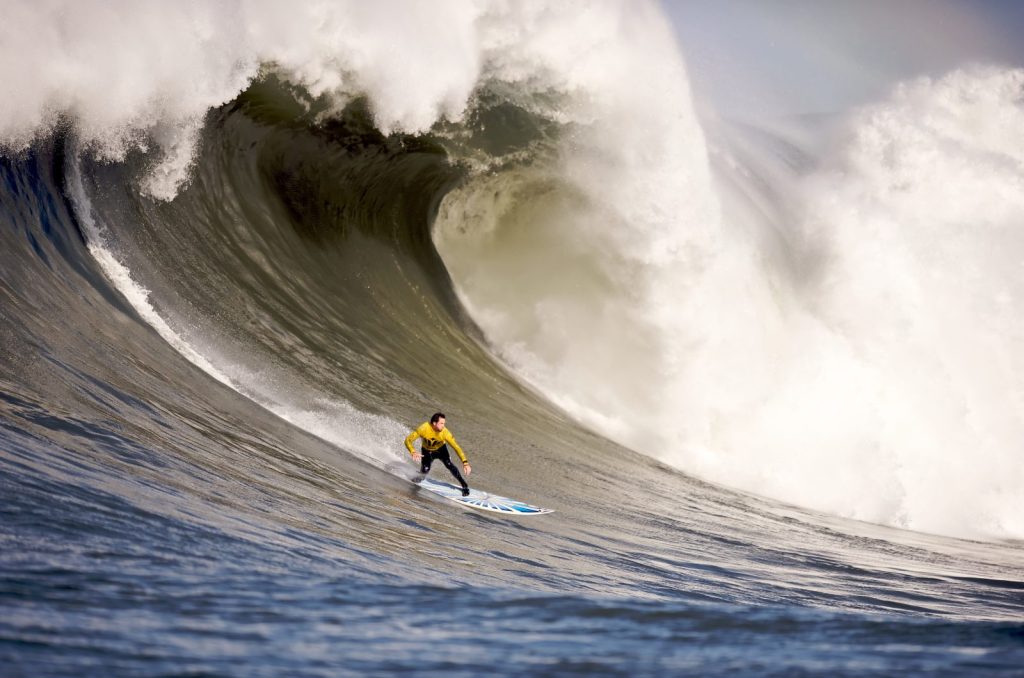
Off the rugged coast of Tasmania, Australia, Shipstern Bluff is legendary for its raw and untamed waves that morph into menacing steps and ledges. Surfing here is not for the faint of heart, as the shark-infested waters add an additional level of danger to an already formidable surfing experience.
Cortes Bank
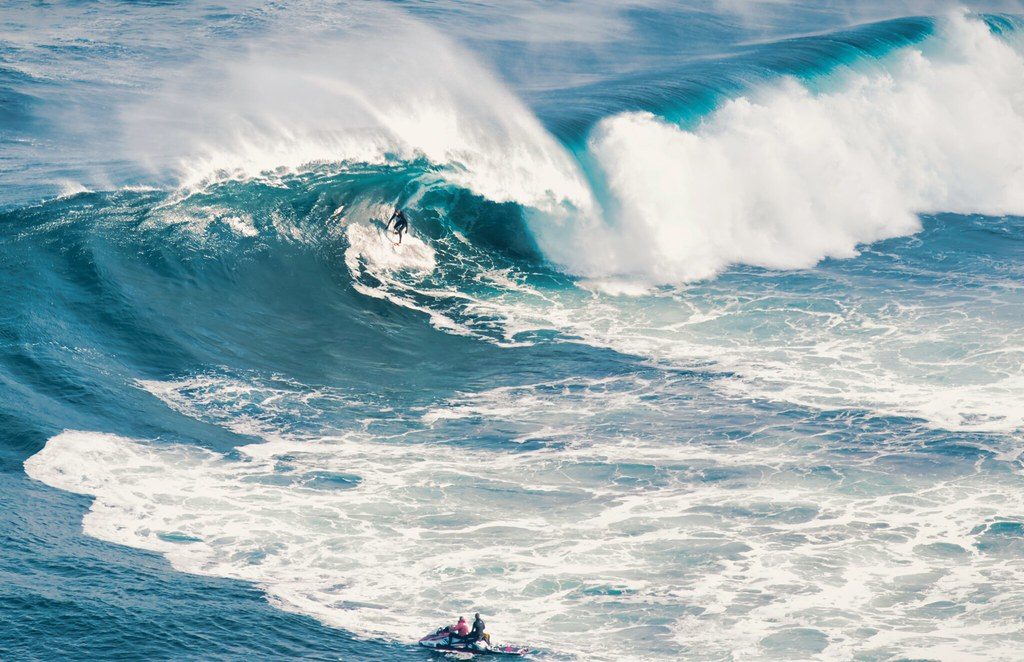
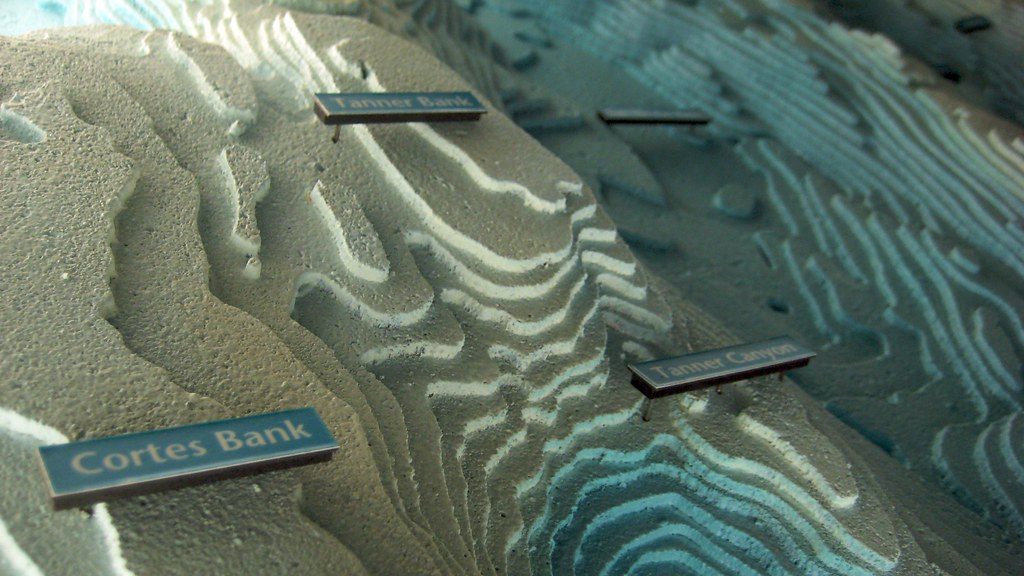
Located over 100 miles off the coast of Southern California, Cortes Bank is an underwater mountain range that serves up skyscraper-sized waves. The remoteness and the sheer size of the waves make it a spot for truly historic big wave conquests.
Waimea Bay
Waimea Bay in Hawaii is often celebrated as the birthplace of big wave surfing. When winter swells hit this iconic beach, the waves rear up to create an imposing wall of water, etched deeply into the fabric of surfing folklore.
Other Renowned Big-Wave Spots
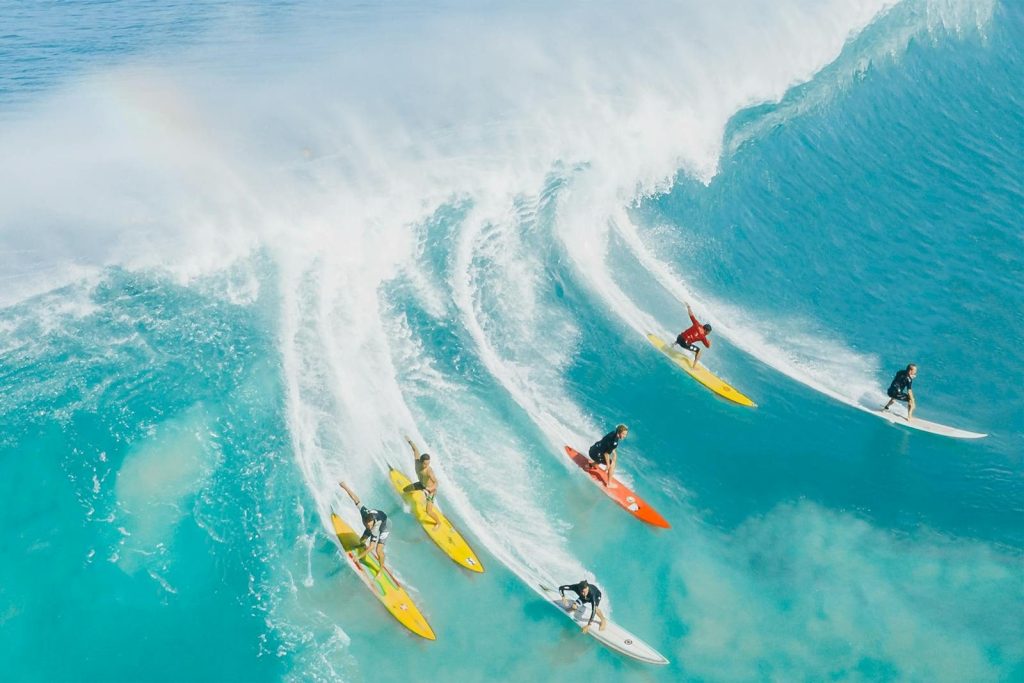
The globe is peppered with other formidable big-wave surf spots, each with its unique characteristics. From Punta de Lobos in Chile to Dungeons near Cape Town, these locations offer heart-pounding rides. French Polynesia houses the daunting Teahupo’o, while The Right in Western Australia is infamous for its ledgey, unpredictable waves. Each spot holds a special place in big wave lore.
Open Ocean Rogue Waves
https://www.youtube.com/watch?v=0vrk6RGRaZ8&embed=true
Rogue waves are extraordinary and unexpected oceanic phenomena. These are waves that reach more than twice the height of the surrounding sea state, often appearing without warning in the open ocean. Historically viewed as maritime myths, rogue waves have been documented and studied with increasing interest.
A notable rogue wave was recorded in November 2020 off the coast of British Columbia. Standing at a remarkable 17.6 meters high, this wave was taller than a four-story building. This event is a well-recognized study in the extreme behaviors of ocean waves. More details can be found in the reporting by MarineLabs CoastScout data.
In oceanography, rogue waves are a subject of ongoing research. Scientists are developing mathematical models to predict their occurrence. The aim is to understand the conditions leading up to rogue waves, such as strong currents, abrupt changes in wind direction, or other natural phenomena. These models are vital for enhancing maritime safety.
Understanding rogue waves is crucial for the safety of vessels and offshore structures. While these waves are still rare occurrences, their impact can be severe, making their study a priority in oceanographic research.
| Rogue Wave Characteristics |
|---|
| Height: More than twice the significant wave height |
| Rarity: Infrequent and unpredictable |
| Impact: Can pose serious danger to ships |
Recognition of these waves has grown with advances in technology, which allow for more precise measurements and validation of their existence. The information gathered helps mariners and scientists learn from each rogue wave event, building a safer environment for ocean navigation.
Surfing the Giants: Records and Achievements
Big wave surfing is a discipline where surfers challenge massive ocean waves, often surpassing 80 feet. This section explores the pinnacle of such surfing through recognized records and notable achievements.
Guinness World Records and Notable Achievements
Records
- Guinness World Records: German surfer Sebastian Steudtner set a Guinness World Record by surfing a colossal wave that measured 26.21 meters (86 feet) at Praia do Norte, Nazaré, Portugal.
- First Woman Record Holder: Maya Gabeira earned a spot in the record books by bravely riding a wave measured at over 73 feet.
Notable Achievements
- Garrett McNamara is renowned for previously setting the world record at Nazaré with his impressive 78-foot wave ride.
- Big-wave legends like Mike Parsons and Brad Gerlach have also made history with their remarkable rides. Parsons tackled a monstrous 64-foot wave at Cortes Bank, while Gerlach faced a 68-footer at Todos Santos.
- Surfers such as Peter Mel and Ken Collins are noted for their daring pursuits in big-wave surfing, consistently pushing the boundaries of what is possible.
The Science and Dangers of Big Waves
Big waves captivate with their power and majesty, but they also pose significant risks to those who dare to confront them. Understanding their formation is critical, while recognizing the dangers they present is essential for safety.

Formation and Characteristics of Big Waves
Big waves, or swells, are generated by the energy traveling through the ocean, usually the result of intense wind and seismic activity such as earthquakes and landslides. This energy transfers to the water, creating waves that travel across the ocean until they reach the shore. The size and power of a wave are greatly influenced by factors like wind speed, the distance the wind has traveled over the water (fetch), and the duration of the wind. As these swells approach the shore, interactions with the sea bottom—especially near reefs and abrupt landforms—can cause them to rise dramatically, forming the towering waves sought after by surfers and watched in awe by onlookers.
- Wind: Provides the energy to create ocean swells.
- Earthquake/Landslide: Can generate large waves known as tsunamis.
- Reef/Shore: When swells interact with these, waves can increase significantly in height.
Characteristics of a big wave, such as height and wavelength, are critical indicators of its potential energy and power. They become dangerous as their energy translates into strong currents, high breaking forces, and a lot of water moving with enormous force.
Hazards and Safety in Big Wave Surfing
Big wave surfing is inherently dangerous. Surfers confront the possibility of wipeouts which can result in collision with the reef below, or being held underwater by successive waves. The force of the water can cause serious injury and even death. Safety measures are not just advisable; they are critical. Surfers need to maintain a high level of physical fitness, have knowledge of the surf spot’s particular dangers, and use specialized equipment like reinforced surfboards and personal flotation devices.
- Surfboard: Must be designed to withstand the force of big waves.
- Personal Flotation Devices: Can save lives by helping surfers resurface after being submerged.
- Training: Physical fitness and knowledge are key for survival in harsh conditions.
Hazards include not only the raw force of the waves but also the unpredictable nature of the currents and wave patterns. Even seasoned surfers might find themselves caught off guard by sudden changes in wave behavior. Besides the physical dangers, vessels in the vicinity, such as fishing ships, run the risk of capsizing or being overcome by the sheer power of these waves. In light of these risks, it is always recommended to have a support team on standby, both for immediate assistance in case of an emergency and for constant monitoring of the ocean’s conditions.


